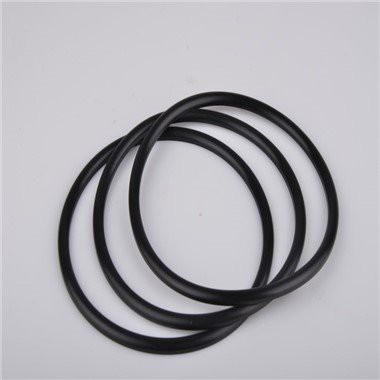

Are rubber O - rings suitable for use in high - altitude environments?
As a trusted supplier of Rubber O - rings, I often encounter inquiries regarding the suitability of our products for various challenging environments, and high - altitude settings are no exception. High - altitude environments present a unique set of conditions that can significantly impact the performance of rubber O - rings. In this blog, we will explore the factors at play and determine whether rubber O - rings are indeed suitable for high - altitude applications.
Understanding High - Altitude Environments
High - altitude environments are characterized by several key factors that deviate from standard conditions at sea level. The most prominent of these factors are low atmospheric pressure, low temperature, and high levels of ultraviolet (UV) radiation.
Atmospheric pressure decreases with increasing altitude. At sea level, the standard atmospheric pressure is approximately 101.3 kPa. However, at an altitude of 5,000 meters, the atmospheric pressure drops to around 54 kPa. This significant reduction in pressure can have a profound effect on rubber O - rings.
Low temperatures are also a common feature of high - altitude areas. As altitude increases, the temperature generally decreases at a rate of about 6.5°C per 1,000 meters. In mountainous regions or during high - altitude flights, temperatures can plummet well below freezing. Cold temperatures can cause rubber to become brittle and lose its flexibility, which is crucial for maintaining a proper seal.
UV radiation is another concern at high altitudes. The thinner atmosphere at high elevations allows more UV rays to reach the surface. Prolonged exposure to UV radiation can cause rubber to degrade, leading to cracking and loss of elasticity.
Impact of High - Altitude Conditions on Rubber O - Rings
-
Effect of Low Pressure:
The reduced atmospheric pressure at high altitudes can cause gases trapped within the rubber material to expand. This expansion can lead to the formation of bubbles or voids in the O - ring, which can compromise its sealing ability. Additionally, the pressure differential between the inside and outside of the system can cause the O - ring to extrude if it is not properly designed or installed. -
Effect of Low Temperatures:
Rubber has a glass transition temperature (Tg), below which it becomes rigid and loses its ability to deform elastically. In high - altitude environments, the low temperatures can push the rubber below its Tg, causing it to become brittle. A brittle O - ring is more likely to crack under stress, such as during installation or when the system is pressurized, resulting in leaks. -
Effect of UV Radiation:
UV radiation can break down the chemical bonds in rubber, leading to a process called photo - oxidation. This process causes the rubber to harden, crack, and lose its mechanical properties over time. The surface of the O - ring may become rough, which can also affect its sealing performance.
Selecting the Right Rubber Material for High - Altitude Applications
Not all rubber materials are created equal when it comes to high - altitude performance. Some rubber compounds are better suited to withstand the harsh conditions found at high elevations.
-
Nitrile Butadiene Rubber (NBR):
NBR is a widely used rubber material known for its good oil resistance and moderate temperature performance. While it has a relatively low cost, its performance in high - altitude environments is limited. NBR has a relatively high glass transition temperature, which means it can become brittle at low temperatures. However, for applications where the temperature does not drop too severely and UV exposure is minimal, NBR O - Rings For Bicycle Disc Brakes & Hydraulic Applications can still be a viable option.

-
Fluoroelastomers (FKM):
FKM rubbers, such as Viton, are known for their excellent heat resistance, chemical resistance, and low gas permeability. They have a lower glass transition temperature compared to NBR, which allows them to maintain their flexibility at lower temperatures. FKM O - rings are also more resistant to UV radiation, making them a better choice for high - altitude applications. Our Rubber O - ring Seals made from FKM can provide reliable sealing in challenging high - altitude conditions. -
Perfluoroelastomers (FFKM):
FFKM is the most high - performance rubber material available. It offers exceptional chemical resistance, high - temperature resistance, and low gas permeability. FFKM O - rings have an extremely low glass transition temperature, which enables them to remain flexible even at very low temperatures. They are also highly resistant to UV radiation. Our Metric FFKM O - Rings – 90 Shore A are ideal for the most demanding high - altitude applications.
Design Considerations for High - Altitude O - Rings
In addition to selecting the right rubber material, proper design is crucial for ensuring the performance of O - rings in high - altitude environments.
-
O - ring Cross - Section:
A larger cross - section can provide more material to withstand the stresses caused by low pressure and temperature variations. However, it is important to ensure that the larger cross - section does not cause installation issues or interfere with the operation of the system. -
Groove Design:
The groove in which the O - ring is installed should be designed to provide proper support and prevent extrusion. A well - designed groove can help distribute the stress evenly across the O - ring, reducing the risk of failure. -
Installation:
Proper installation is essential for the performance of O - rings. In high - altitude environments, it is important to ensure that the O - ring is installed correctly and that there is no damage to the rubber during installation. Lubrication can also help reduce friction and prevent damage during installation.
Case Studies
Let's take a look at a few real - world examples of rubber O - rings used in high - altitude applications.
Aviation Industry:
In aircraft, O - rings are used in a variety of systems, including hydraulic systems, fuel systems, and environmental control systems. High - altitude flights expose these O - rings to low pressure, low temperatures, and UV radiation. Airlines and aircraft manufacturers often choose FKM or FFKM O - rings to ensure reliable sealing and prevent leaks that could compromise safety.
Mountainous Construction Projects:
In high - altitude construction sites, such as those in the Himalayas, O - rings are used in equipment such as compressors, pumps, and valves. The low temperatures and harsh environmental conditions require the use of O - rings made from materials that can withstand these challenges. NBR O - rings may be sufficient for some applications with less severe temperature requirements, while FKM or FFKM O - rings may be necessary for more critical systems.
Conclusion
In conclusion, rubber O - rings can be suitable for use in high - altitude environments, but careful consideration must be given to the selection of the rubber material, design of the O - ring, and installation process. While some rubber compounds may struggle to perform under the harsh conditions of high altitudes, materials such as FKM and FFKM offer excellent resistance to low pressure, low temperatures, and UV radiation.
If you are in need of rubber O - rings for high - altitude applications, our team of experts is here to help. We can guide you through the selection process to ensure that you get the right product for your specific needs. Whether you are in the aviation industry, involved in high - altitude construction, or any other field that requires reliable sealing solutions at high elevations, we have the products and expertise to meet your requirements. Reach out to us to start a discussion about your procurement needs and find the perfect rubber O - rings for your high - altitude projects.
References
- O'Reilly, C. (2018). Sealing Technology Handbook. Elsevier.
- Eisenstein, M. (2020). Rubber Materials and Their Applications. Springer.
- ISO 3601:2012, "Fluid power systems and components - O - rings". International Organization for Standardization.