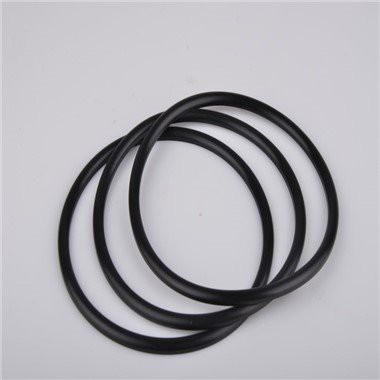

Hey there! As a supplier of PTFE O rings, I often get asked whether these little guys are easy to install. Well, let's dive right in and break it down.
First off, what are PTFE O rings? PTFE, or polytetrafluoroethylene, is a synthetic fluoropolymer that's known for its excellent chemical resistance, low friction coefficient, and high temperature tolerance. PTFE O rings are widely used in various industries, from automotive to aerospace, and from chemical processing to food and beverage. They're used to create a tight seal between two parts, preventing the leakage of fluids or gases.
Now, back to the question at hand: Are PTFE O rings easy to install? The short answer is, it depends. There are a few factors that can affect the ease of installation, and I'll go through them one by one.
Material Properties
PTFE is a relatively soft and flexible material, which can be both an advantage and a disadvantage when it comes to installation. On the plus side, its flexibility allows it to conform to the shape of the mating surfaces, creating a better seal. You can easily bend and position the O ring in place without much force. However, this softness also means that PTFE O rings can be more prone to damage during installation. If you're not careful, you might accidentally cut, tear, or stretch the O ring, which can compromise its sealing performance.
Size and Tolerance
The size and tolerance of the PTFE O ring are crucial factors in determining how easy it is to install. If the O ring is the correct size for the application, it should fit snugly into the groove without much hassle. However, if the O ring is too large or too small, it can be difficult to install and may not provide an effective seal. That's why it's important to choose the right size and tolerance for your specific application. We offer a wide range of PTFE O rings with different sizes and tolerances to meet your needs. You can check out our Teflon Coated O-ring and PTFE Coating O Ring Seal products for more options.
Groove Design
The design of the groove where the PTFE O ring will be installed also plays a significant role in the installation process. A well-designed groove should have smooth edges and the right depth and width to accommodate the O ring. If the groove is too shallow or too narrow, the O ring may not fit properly, and if the edges are rough or sharp, they can damage the O ring during installation. It's important to ensure that the groove is clean, free of debris, and has the correct dimensions before installing the PTFE O ring.
Installation Tools
Using the right installation tools can make a big difference in how easy it is to install PTFE O rings. Some common installation tools include O ring installation pliers, which can help you grip and position the O ring in the groove without damaging it. You can also use a lubricant to make the installation process smoother. A small amount of lubricant can reduce friction and make it easier to slide the O ring into place. However, it's important to choose a lubricant that is compatible with PTFE and the fluids or gases in your application.
Installation Steps
Here are some general steps to follow when installing PTFE O rings:
- Inspect the O ring: Before installation, carefully inspect the PTFE O ring for any signs of damage, such as cuts, tears, or deformities. If you find any damage, do not use the O ring and replace it with a new one.
- Clean the mating surfaces: Make sure the surfaces where the O ring will be installed are clean and free of dirt, oil, and debris. Any contaminants can affect the sealing performance of the O ring.
- Apply lubricant (optional): If you're using a lubricant, apply a small amount to the O ring and the mating surfaces. This will make it easier to install the O ring and reduce the risk of damage.
- Position the O ring: Use your fingers or installation tools to carefully position the O ring in the groove. Make sure the O ring is evenly seated and there are no twists or kinks.
- Check the installation: Once the O ring is installed, check to make sure it is properly seated and there are no gaps or leaks. You can do this by applying a small amount of pressure to the mating surfaces and looking for any signs of leakage.
Tips for Easy Installation
Here are some additional tips to make the installation of PTFE O rings even easier:
- Take your time: Rushing the installation process can increase the risk of damaging the O ring. Take your time and be careful when handling and positioning the O ring.
- Use a magnifying glass: If you're having trouble seeing the O ring or the groove, use a magnifying glass to get a better view. This can help you ensure that the O ring is properly seated and there are no issues.
- Practice on a test piece: If you're new to installing PTFE O rings, it can be a good idea to practice on a test piece first. This will give you a chance to get familiar with the installation process and gain some confidence before working on your actual application.
In conclusion, while PTFE O rings can be a bit more challenging to install compared to some other types of O rings, they're definitely doable with the right knowledge, tools, and techniques. By considering the factors I've mentioned above and following the installation steps and tips, you can ensure a successful installation and a reliable seal.
If you're in the market for high-quality PTFE O rings, we're here to help. We offer a wide range of O-ring with Teflon Coating products that are designed to meet your specific needs. Whether you're looking for a standard size or a custom solution, we've got you covered. Contact us today to discuss your requirements and start the procurement process. We're always happy to help you find the right PTFE O rings for your application.


References
- "Sealing Technology Handbook" by John H. Bickford
- "O-Ring Handbook" by Parker Hannifin Corporation