



Product Overview
PTFE Gate Valve Seat Seals are the critical sealing interface in industrial fluid control systems, providing a "bubble-tight" shutoff for highly corrosive and high-purity media. Unlike metal seats, PTFE-based valve seats offer superior conformity to the gate surface, ensuring zero-leakage performance even in low-pressure conditions where metal-to-metal contact might fail.
Xiamen Best Seal specializes in precision-machined RPTFE (Reinforced PTFE) valve seats designed for the most demanding B2B applications in petrochemical, pharmaceutical, and chemical processing. Our seats feature a proprietary chamfered rectangular profile that facilitates easier installation and minimizes edge stress. With a self-lubricating surface that significantly reduces operating torque, our PTFE seals extend the service life of both manual and automated gate valve assemblies.


Material Science: The RPTFE Advantage
Preventing Cold Flow in High PressureWhile virgin PTFE offers ultimate purity, gate valves under constant load require the architectural stability of Reinforced PTFE (RPTFE):
|
 |
Engineering Depth: Chamfered Profiles
The geometry of a valve seat is as critical as its material composition. Our standard gate valve seats utilize a Chamfered Rectangular Profile to solve common industrial failure modes:
By removing the four sharp corners (chamfering), we prevent the gate from "nipping" or extruding the seat edge during high-pressure closure.
The beveled edges serve as lead-ins, allowing the seat to be pressed into complex valve housings without risk of shearing or misalignment.
The controlled contact area between the PTFE and the metal gate ensures smooth operation and lower "breakaway" torque requirements.
Product Advantages
B2B Industrial Performance
Industrial Applications
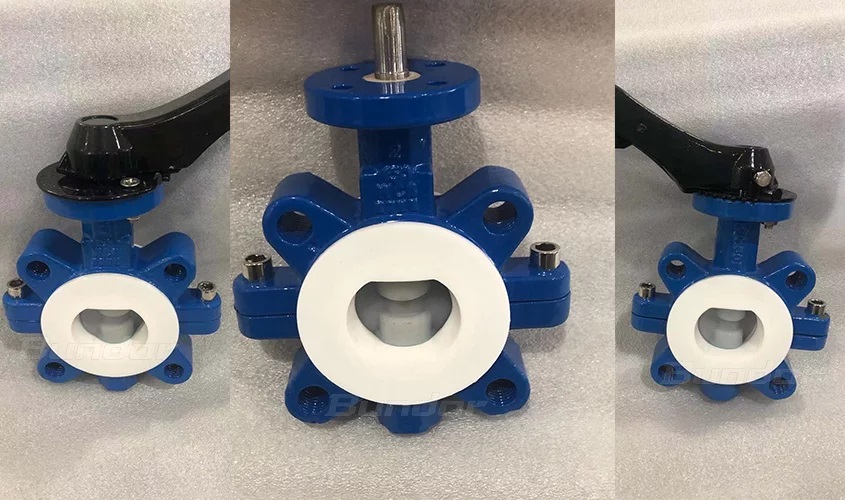
Critical Fluid InfrastructureOur PTFE seats are widely utilized in Oil & Gas Refineries for managing hydrocarbon flow. In Chemical Processing Plants, they handle aggressive sulfuric and nitric acid dosing systems where metallic components would corrode. Furthermore, for the Pharmaceutical & Semiconductor sectors, we provide high-purity virgin PTFE seats that ensure zero contamination and meet strict FDA cleanliness mandates. |
 |
Technical Specifications
Performance metrics for high-grade RPTFE (15% Glass Fiber):
| Property | Standard Specification |
|---|---|
| Hardness (Shore D) | 55 – 65 D (Industrial Grade) |
| Operating Temperature | -73°C to +232°C (-100°F to 450°F) |
| Tensile Strength | 15 – 25 MPa |
| Compressive Strength | ≥ 12 MPa (Safe for high-load shutdown) |
| Pressure Rating | Safe up to 138 Bar (2000 PSI) depending on valve class |
| Coefficient of Friction | 0.05 – 0.10 (Self-Lubricating) |
Precision CNC Machining & OEM Support
Consistency in valve seat dimensions is non-negotiable for "Class VI" sealing. Our factory offers:
- ⚝ Tolerances to +/- 0.02mm: Ensuring a perfect interference fit within the valve body and gate.
- ⚝ Custom Profiles: Specialized CNC turning for L-shape, U-shape, and flanged seat geometries.
- ⚝ Full MTR Traceability: Material Test Reports (MTR) provided for high-spec aerospace and nuclear projects.
- ⚝ Surface Finishing: High-polish Ra 0.8 / 32 Ra surfaces for ultra-smooth low-torque operation.
Certificates & Global Standards
🏆 Validated Valve Integrity
- API 6D & API 600 – Global benchmarks for Pipeline and Gate Valves (Ensures Class VI "Bubble-Tight" sealing).
- ISO 9001:2015 – Certified quality management system for high-precision CNC elastomer machining.
- FDA 21 CFR 177.1550 – Verified safe for food contact, pharmaceuticals, and ultra-pure water systems.
- REACH & RoHS Compliance – Certified free from hazardous substances and restricted chemicals for global export.


Packaging & Logistics
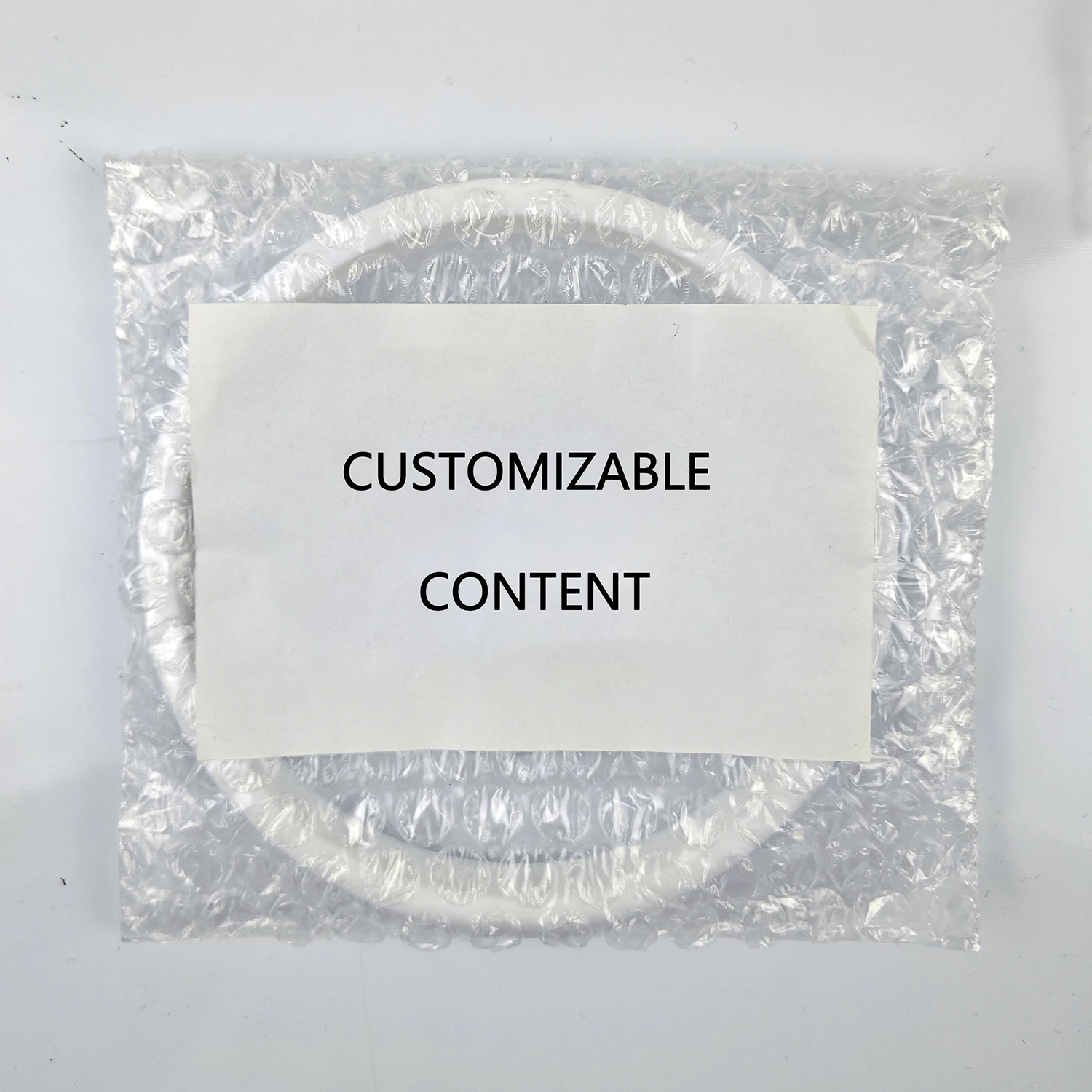
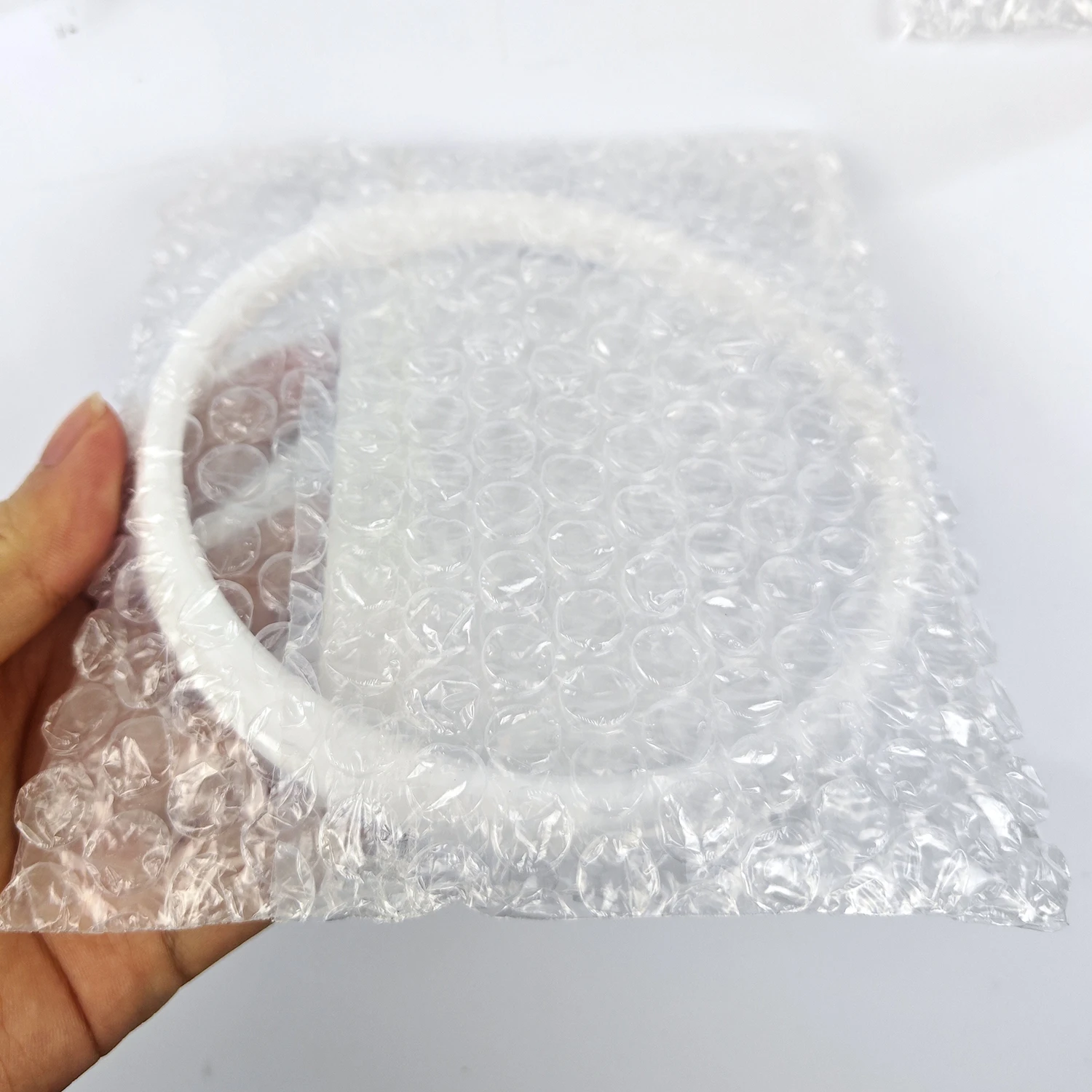
Each PTFE seat is individually wrapped in specialized bubble film. This ensures critical sealing surfaces are protected from impact, scratches, and deformation during transit.
Bulk items are nested in reinforced, double-walled corrugated cartons with moisture-resistant PE liners, ensuring material stability in diverse climates.
Flexible B2B logistics including specialized Air Express for urgent maintenance and Sea Freight for large-tonnage valve manufacturing projects.
FAQ – Valve Engineering
❓ When should I use Glass-Filled RPTFE instead of Virgin PTFE?
If your application involves high pressures (>500 PSI) or constant heating/cooling cycles, RPTFE is mandatory to prevent seat deformation and leak paths. Virgin PTFE is reserved for ultra-pure laboratory/food use where no additives are allowed.
❓ Does the "Chamfer" affect the sealing area?
No. The sealing occurs on the flat face of the seat ring. The chamfer is on the outer and inner corners to facilitate assembly and protect the elastomer from mechanical "pinching" when the gate is slammed shut.
❓ Can you produce seats for very large-diameter valves?
Yes. Our large-format CNC machines can handle seat rings up to 1200mm in diameter, maintaining tight tolerances and surface smoothness across the entire profile.
𓂃⋆.˚Related Valve Sealing Solutions𓂃⋆.˚
Hot Tags: ptfe gate valve seat seals, China ptfe gate valve seat seals suppliers, manufacturers, factory


